
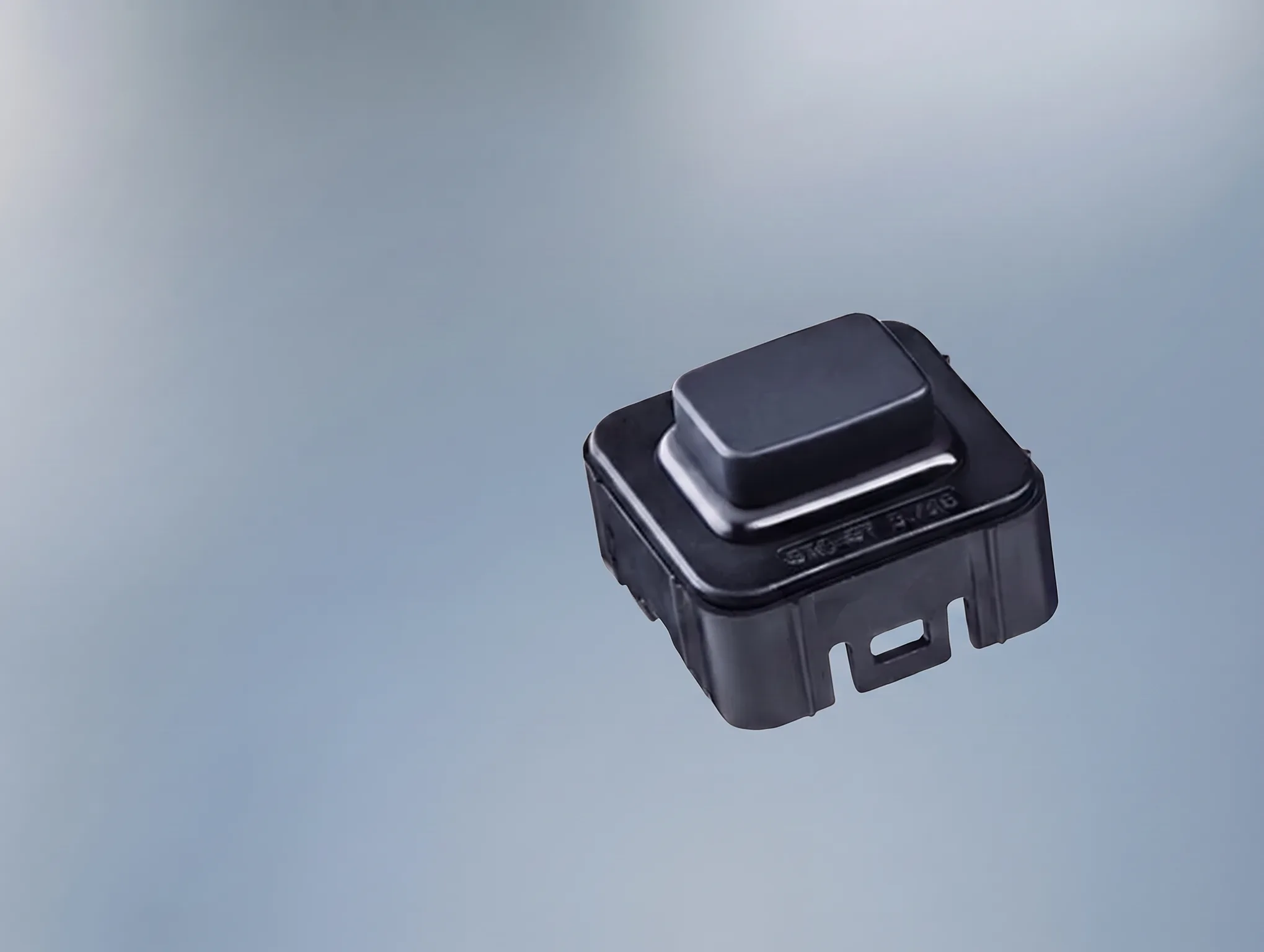
Assemblies
Silicone Assemblies
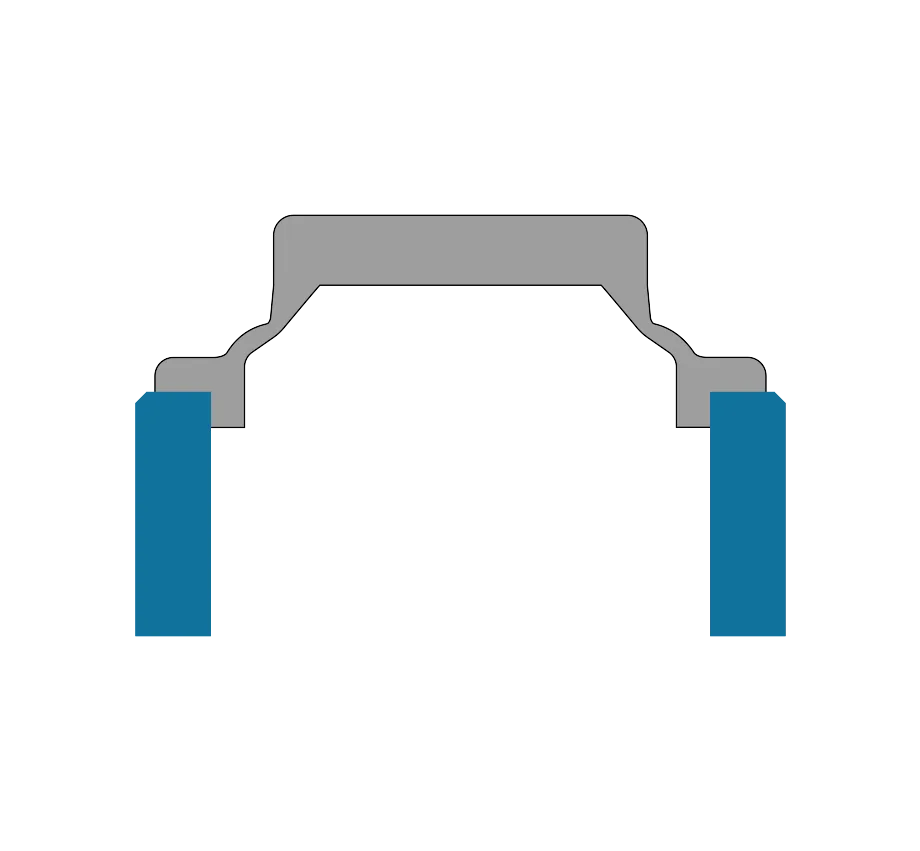
The STC-AS assembly combines silicone with one or more additional materials such as plastic or metal. This is achieved through advanced processes such as overmolding (2K/3K process) or joining, depending on the application and component geometry. A particular strength of these assemblies lies in their production as a one-piece system that requires no assembly points whatsoever. This ensures high dimensional stability and optimal sealing performance.
Benefits & Advantages
What sets silicone assemblies apart.
-
Material Hybrid
Combination of the unique elastic and resistant properties of silicone with the characteristic properties of another material
-
Variety
Wide range of materials that can be combined with silicone
-
Assembly Savings
Savings on complex assembly systems such as clipping or screwing
-
Cost Reduction
Reduction of assembly costs
-
Combinable
Combinable with other products from the Haptics and acoustics, Backlighting, electrical contacts, and Surfaces families
Product properties
- Multi-component assembly made of silicone and one or more other materials such as plastic or metal
- Entire silicone assembly cast as a single unit with no assembly points whatsoever
- Depending on the application and component geometry, overmolding (2K/3K process) or joining processes are possible
Silicone assemblies for demanding applications.
Silicone assemblies such as the STC-AS can be used in numerous industrial applications, including automotive, medical technology, and electronics. Their robust and durable design, combined with easy assembly and outstanding sealing properties, makes them the preferred choice for demanding technical applications. Thanks to their material flexibility and reduced assembly effort, they offer both functional and economic advantages that help optimize production processes and products.
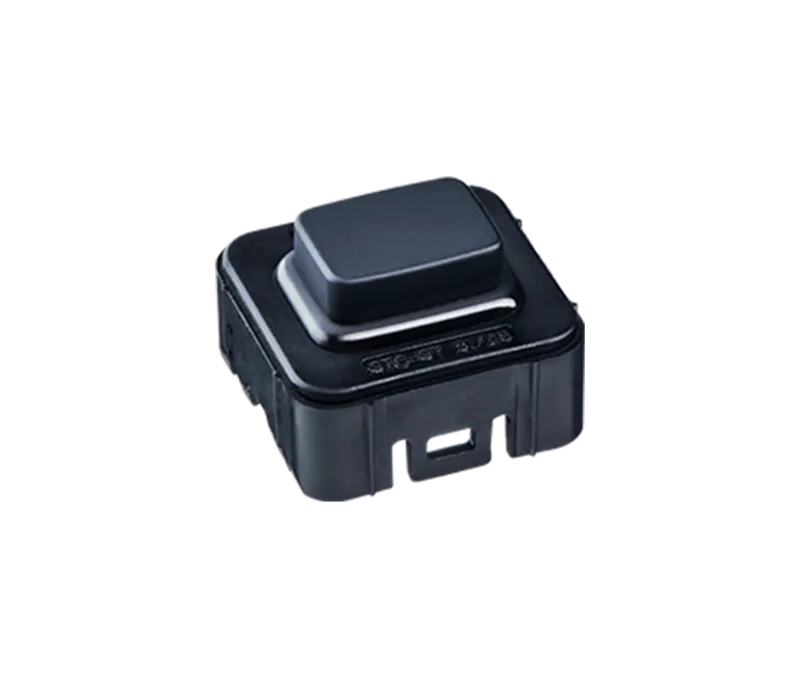
More information on silicone assemblies for keypad systems and switch contacts
Silicone assemblies, particularly in keypad systems and switch contacts, offer versatile and efficient solutions for numerous industrial applications. These assemblies stand out thanks to their outstanding properties, which make them ideally suited to a wide range of applications.
Benefits
The thoughtful combination of silicone with other materials unites the unique elastic and resistant properties of silicone with the characteristic advantages of the additional material. This synergy enables a wide range of material combinations to meet customer-specific requirements.
Another key advantage lies in the savings on complex assembly systems. By integrating multiple components into a single part, processes such as clipping or screwing become unnecessary, significantly reducing assembly costs. These assemblies can also be functionally combined with other products from the areas of haptics and acoustics, backlighting, electrical contacts, and surfaces.

Let's talk about your application.
Development, prototyping, or series production — we connect you with the right location and contact person.